Mice in one unit of a six-unit townhouse
Mice were getting into one unit of a six-unit townhouse complex in North Vancouver, and nobody could point to a single obvious hole. The gaps were built into the envelope, so the route inside ran through a series of small, unfinished details rather than one failure. The question was whether the whole building needed work or just the unit where the mice had been seen.
Gaps built into the perimeter
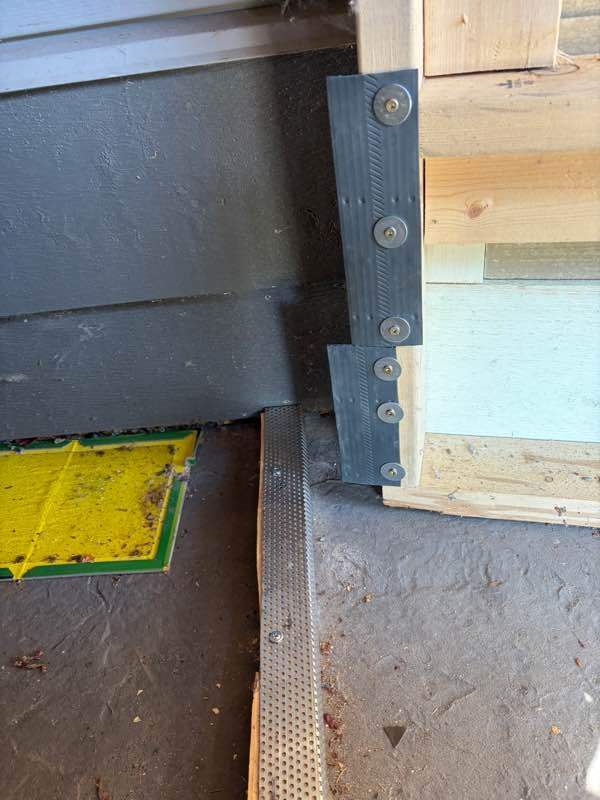
The survey covered the whole exterior. There were no major siding gaps, but there were plenty of construction flaws. The exterior dividers on the two end units were pulling away from the building. Under the rear sliding doors, the thresholds had never been finished, so some were left open and others had spray foam packed into them.
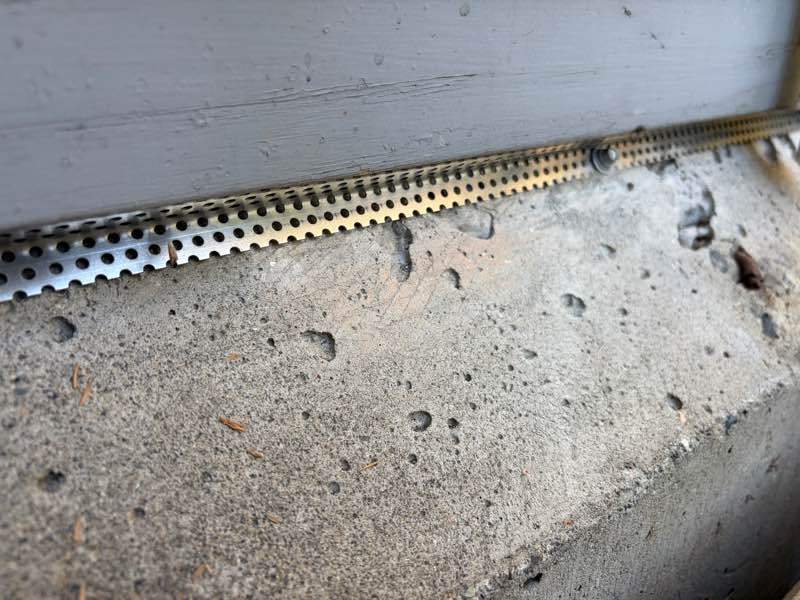
The basement windows under the rear decks had gaps between the sill and the concrete foundation. The front patios would need to be crawled under or lifted to check what was underneath, and stucco was falling away in a few places. Building maintenance had planned to replace the end-unit dividers, so the aim was to time the sealing with that work and seal behind the new ones.
Sealing the envelope over three visits
Two techs spent three visits working the whole envelope. Before the crew arrived, residents were asked to clear belongings and stored material from the walls and the side of the building, since the crew could not reach those areas otherwise.
The work covered every active and potential access point rather than only the ones with signs of use. That meant the rear door thresholds, the basement sills, the patio areas and the minor stucco repairs, all treated as part of one full-envelope scope.
Trapping needed a decision on site. The original brief was unclear about whether a trapping program was wanted, so the question was settled during the visits. The property's management declined an ongoing trapping program, which means interior trapping in the affected unit still has to happen. Residents received a mouse information sheet and the advice to remove any food they could reach, because accessible food makes interior trapping much less effective.
The Outcome
We were hired to seal the building against mice and stop them getting into the affected unit. The perimeter work is complete and the access points are treated, with interior trapping as the follow-up.
Perimeter sealed, interior follow-up still open
- The access points across the building were treated as part of the full-envelope scope.
- The rear door thresholds, basement sills and patio areas were addressed, so the construction flaws that let mice in were closed at each location in the scope.
- Residents received a mouse information sheet and food-removal guidance to support the follow-up.
- The workmanship carries a one-year warranty, and mouse sightings are not covered by it.
- Interior trapping remains the open item for the affected unit.
Mice use the seams, thresholds and sill gaps that get left unfinished during construction, so a unit-by-unit fix tends to leave the next unit exposed. Working the full envelope in one job, as our full-building pest proofing scope does, puts every known route on the same list.
The exclusion side of this work follows the same logic. Each gap is sealed at the point where it meets the structure, which is why entry point exclusion was the core of this job. Interior trapping is a separate step, and it is the one that still needs to be done in the affected unit, which is why we recommend pairing the sealing with mouse control where the building's management allows it.
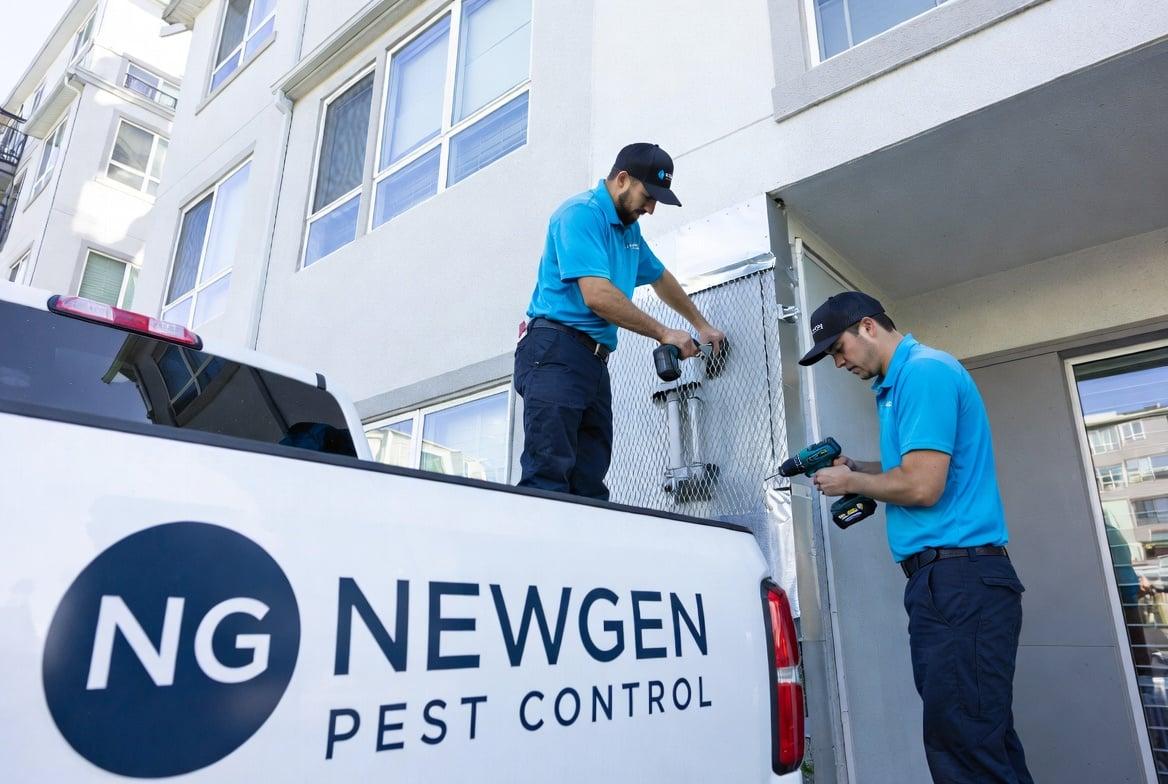
Some photos on this page are representative photos from similar jobs our crews have done, not photos of this property.
Need Pest Proofing?
Comprehensive exclusion audit and sealing of all entry points. The last pest service your property needs.
View Pest Proofing More pest proofing in North Vancouver