

In this article
Yes. If the roof needs replacing, build the rat-proofing into the roofing stages instead of adding it after. Exclusion that gets covered by new roofing goes in fast, and a reroof is your one chance to reach shallow attic spaces nobody can crawl into. Before you lock in a roofing date, find out where the rats get in. If it's at ground level, the roof can wait.
Why build rat-proofing into the reroof instead of adding it after?
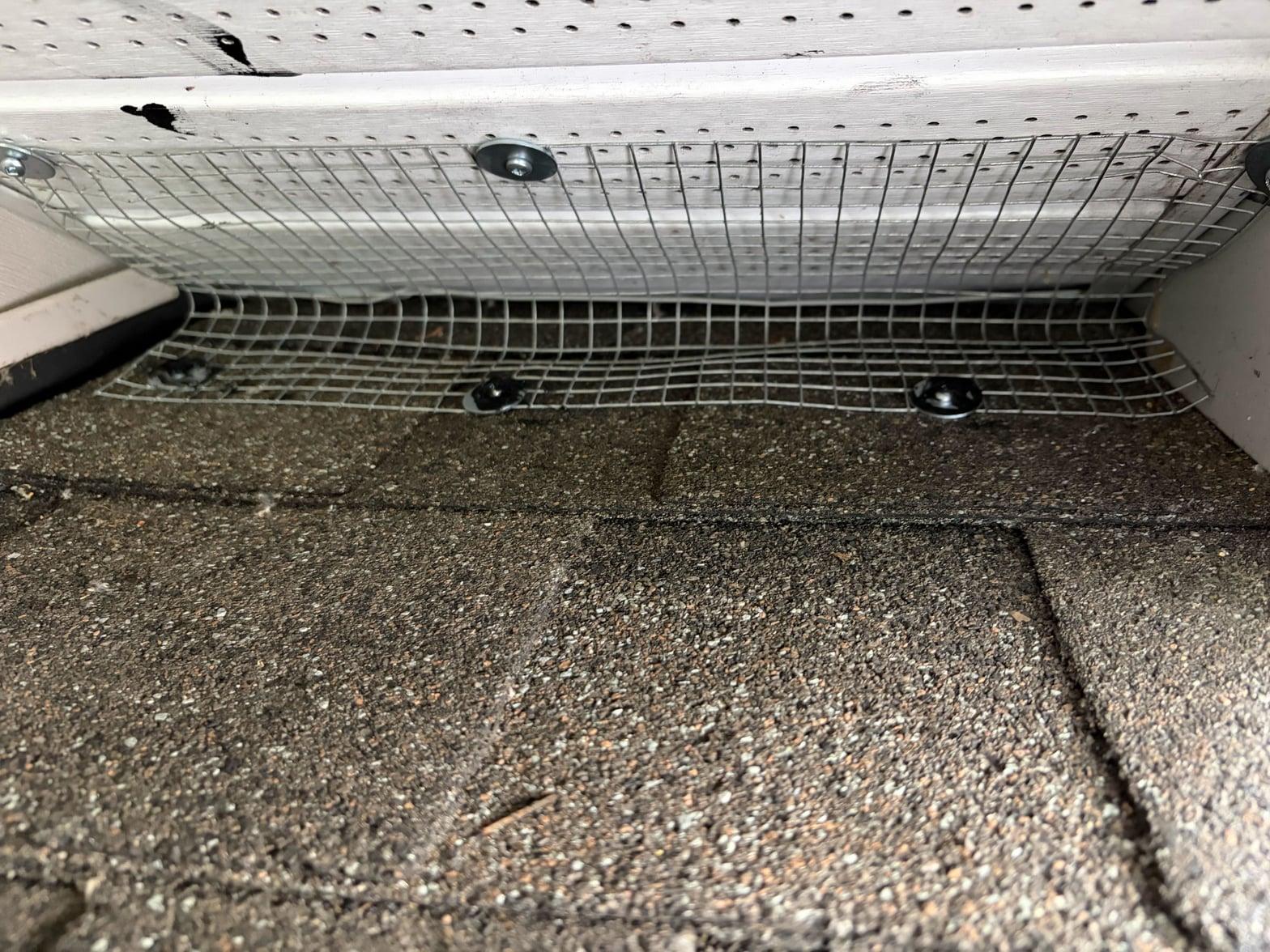
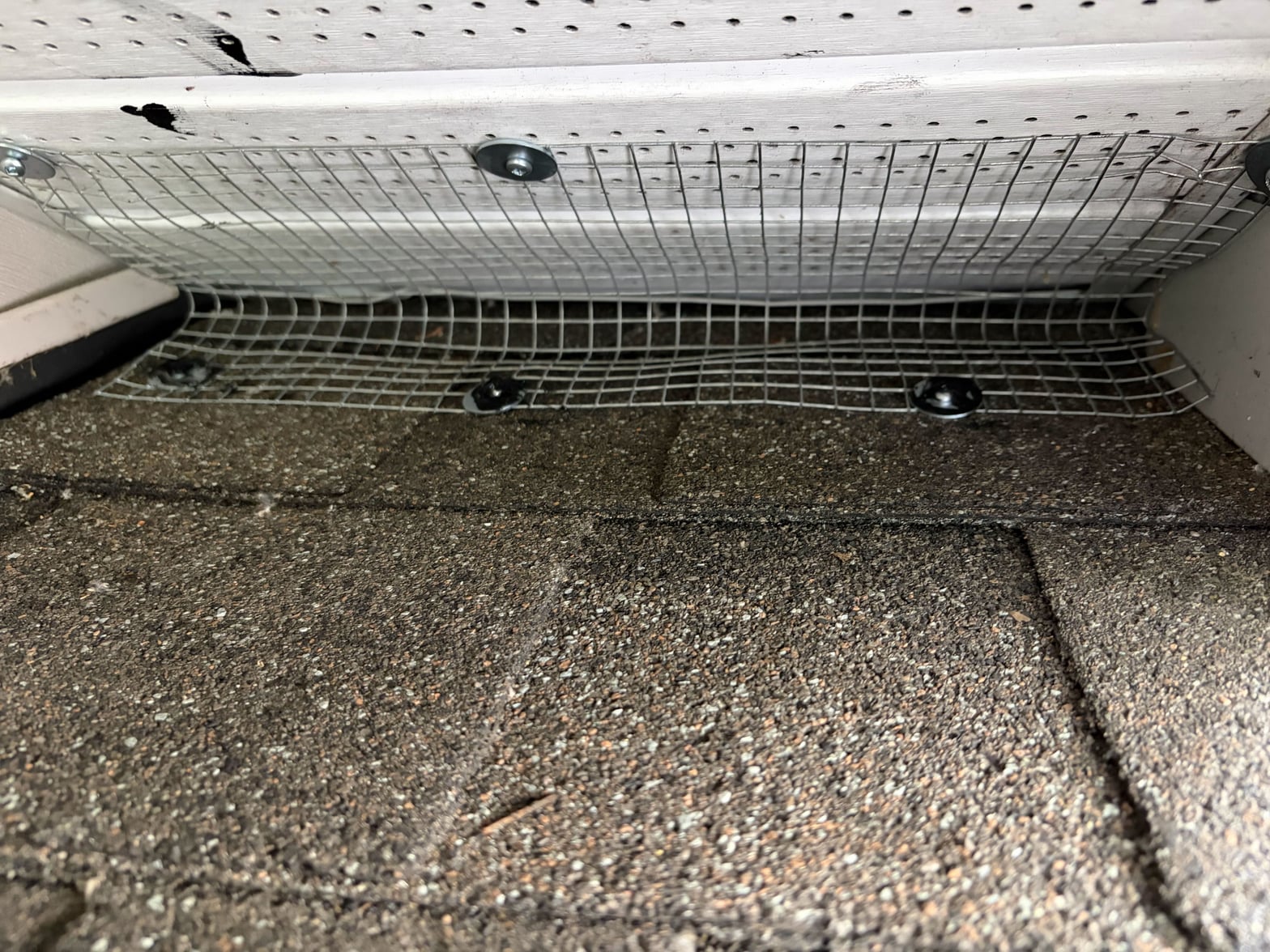
The roofing process opens up the places a rat-proofing crew needs to reach, then closes them again for good. While the old roof is off, the eaves, gutter line, vent openings and deck edges are exposed. We can screen and flash those spots quickly, and the roofer installs the new roof straight over our work.
Anything that ends up under shingles or tile doesn't have to look tidy. It goes in fast, and we can focus on whether it holds rather than how it reads from the street. Some attic areas are also reachable only from above during a reroof (more on that below).
Roof rats are agile climbers that often nest in ceilings and attics, and a rat needs only a quarter-sized hole to get in ( Province of British Columbia). The province recommends sealing openings bigger than 6 mm (1/4 inch) with durable materials and covering attic vents and soffits with heavy 1/4 inch wire mesh. During a reroof, those are the parts sitting open. You can read more about the species in our roof rat profile.
Our approach is to improve the structure until it's rodent-proof, rather than draping it in mesh and hoping it lasts. On a healthy roof that doesn't take much. We know what rats will chew on, and we address those points so they try, fail and leave. A badly degraded roof that is soft, lifting or falling apart is where it gets tough, and that tends to be the roof that's due for replacement anyway.
What does retrofitting rat-proofing on a finished roof involve?
It means partly undoing a roof that was just finished. Here's the version we'd rather avoid. The new roof goes on and everything is complete, and then we're called in. To screen underneath the roof vents, we have to pull every one of them off. To get mesh and flashing in along the eaves, we lift shingles along the entire gutter line. That takes several times longer than the same work done while the roof is open, and it means handling brand-new roofing.
| Task | Built into the reroof | Retrofitted after |
|---|---|---|
| Roof vent screening | Screened before the new vents go on | Every vent pulled, screened and reset |
| Gutter line mesh and flashing | Installed on the open deck edge, then covered | Shingles lifted along the whole gutter line |
| Shallow attic insulation | Reached top-down through lifted decking | Often no practical access |
| Appearance | Covered by roofing, so function comes first | Visible work has to look finished |
| Time on the roof | Short visits at planned stages | Several times longer |
What order should the work happen in?
Assessment comes first. Then our stages get slotted into the roofer's schedule. A typical sequence looks like this:
- Inspect the whole building, roof and ground level, to confirm the real entry points and whether rats are still active.
- Check attic vents and voids with scopes and cameras to learn whether the insulation is actually a hazard.
- Deal with any ground-level entries now, so the rats are out before the roof work starts.
- Agree with the roofer on what needs to be exposed and at which stage.
- Do the pest-proofing at those stages, and the roofer covers it.
- Cut trees and branches back from the walls and roofline.
We recommend that we coordinate directly with your roofer. We tell them exactly what needs to happen at each stage, or we can project-manage the whole thing if you'd prefer. Who you hire for the roof is your choice. The one thing that has to hold is readiness: when our crew commits to a day, the deck or eaves need to be open and ready. Otherwise the visit is lost and the job drags out.
Timing matters too. In our call records, rat calls peak from August through October, with another rise in April. If you're planning a reroof for the dry months, bring the rat-proofing into the plan early, before the roofer's dates are fixed.
Should contaminated attic insulation come out during the reroof?
Only if the inspection shows it needs to. But if it does, a reroof may be the only way to reach the shallow areas. Low sections near the eaves, where the roof deck comes down close to the ceiling, are spaces nobody can crawl into. The only real way to get contaminated insulation out of them is to pull up some decking and work from the top down while the roof is off. You get one chance at that.
Don't plan a full removal before that's been determined. Scoping vents and voids first tells us whether there's a hazard and where it is. On one of our jobs, sizing the insulation work required opening the ceiling first. If removal and replacement are needed, our attic restoration work is scheduled to match the roofing stages.
What if the rats are getting in at ground level?
Then there may be no pressure to reroof at all. Rats in the attic aren't always coming in through the roof. They can enter at the foundation, for example under board-and-batten siding where it meets the concrete, and climb the wall voids up to the attic. HealthLinkBC specifically flags gaps between the siding and the house foundation as entry points to seal ( HealthLinkBC).
If that's the route, one-way doors and temporary sealing in a single visit can get the rats out and keep them out for a month or two. That takes all the pressure off the roof timing. If the roof isn't leaking, you may not need to replace it this year at all. The permanent roofline work can wait for the reroof, whenever it comes.
Along the bottom of siding we use heavy-gauge perforated aluminum angle flashing. It looks like trim and stays straight, and the perforations let the wall breathe. A poison-box program doesn't fix any of this, because the gap is still there. We explain our view in why we don't use rodent poison around homes, and our rat control for homes page shows how inspection and exclusion fit together.
What we've found on attic rat jobs
The roof material and the neighbours both shape the job. A few examples from our own work:
- On one job, a clay tile roof had gaps along the entire gutter line, and rats were jumping across from the neighbour's overhanging roof. Full exclusion was a multi-day, two-technician job.
- On another large clay tile roof with rats in the attic, we estimated about five to eight days of two-technician work.
- On a different property, roof rats were jumping over from neighbouring properties and living in the attic.
- At one home the gutter line was clean except for one hole. There was a single ground-level entry point, and many deep tunnels suggested a burrow complex. On that property, the ground mattered as much as the roof.
- On one first inspection, rain kept the technician off the roof, so the roof entry points hadn't been checked yet. An assessment isn't finished until both the roof and the ground have been looked at.
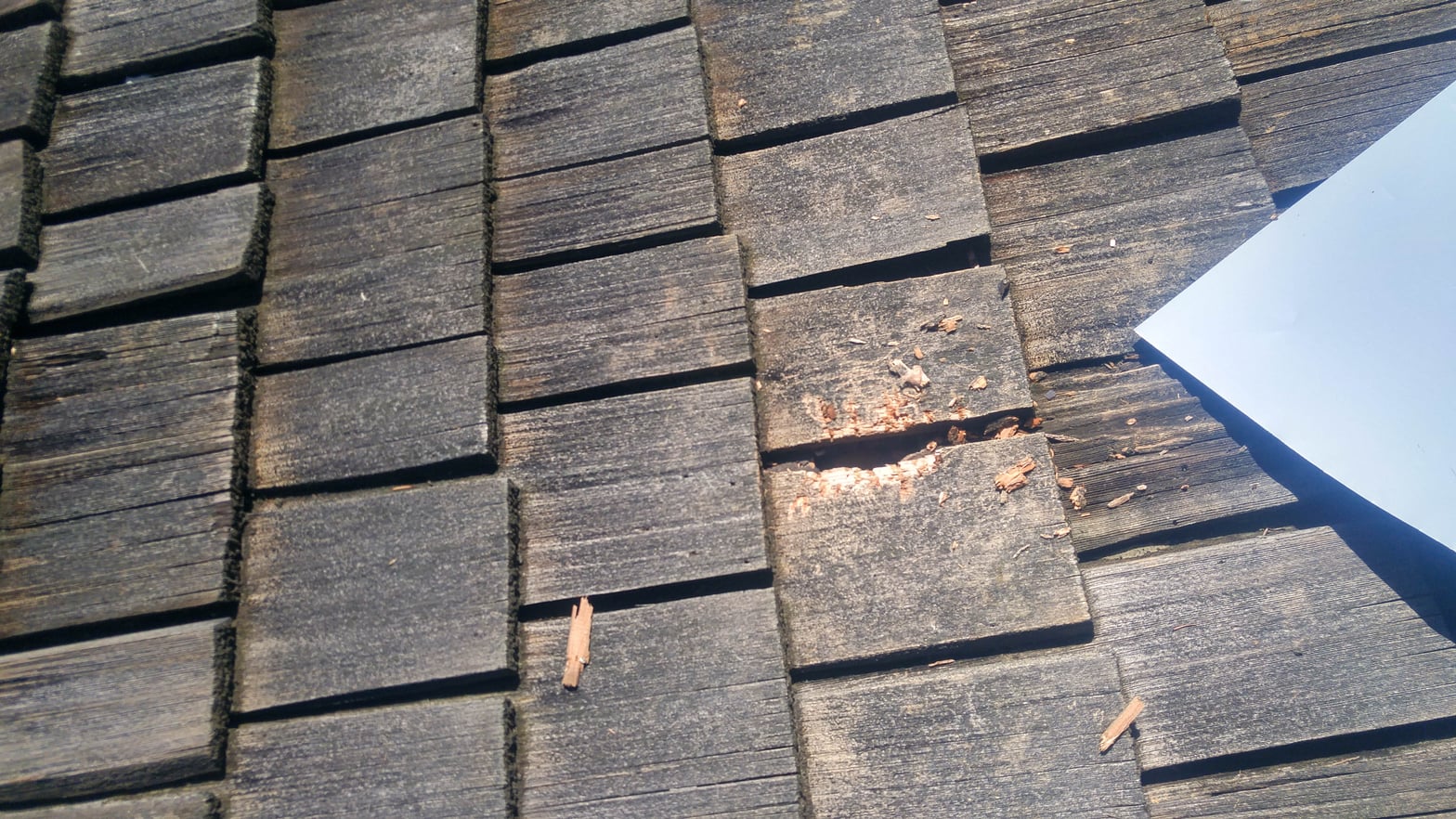
That's why the gutter line is worth covering while the roof is open, rather than lifting roofing along the whole gutter line on a finished roof. Overhanging neighbour rooflines and branches are the other half of the problem. Trimming branches that give access to the roof is standard provincial advice ( HealthLinkBC), and we cut branches back from the walls and roofline. If you want the finished result backed, see our guaranteed rodent exclusion.
Sources
- Province of British Columbia, Managing rat and mouse pests (2023): https://www2.gov.bc.ca/gov/content/environment/pesticides-pest-management/managing-pests/animals/rodents
- HealthLinkBC, Getting rid of rodents (rats and mice) (2024): https://www.healthlinkbc.ca/healthlinkbc-files/getting-rid-rodents-rats-and-mice
Frequently Asked Questions
NewGen Pest Control Team
Pest control specialists serving Greater Vancouver since 2016.7× Consumer Choice Award winners.