A West Vancouver house that needed its mouse entry points closed
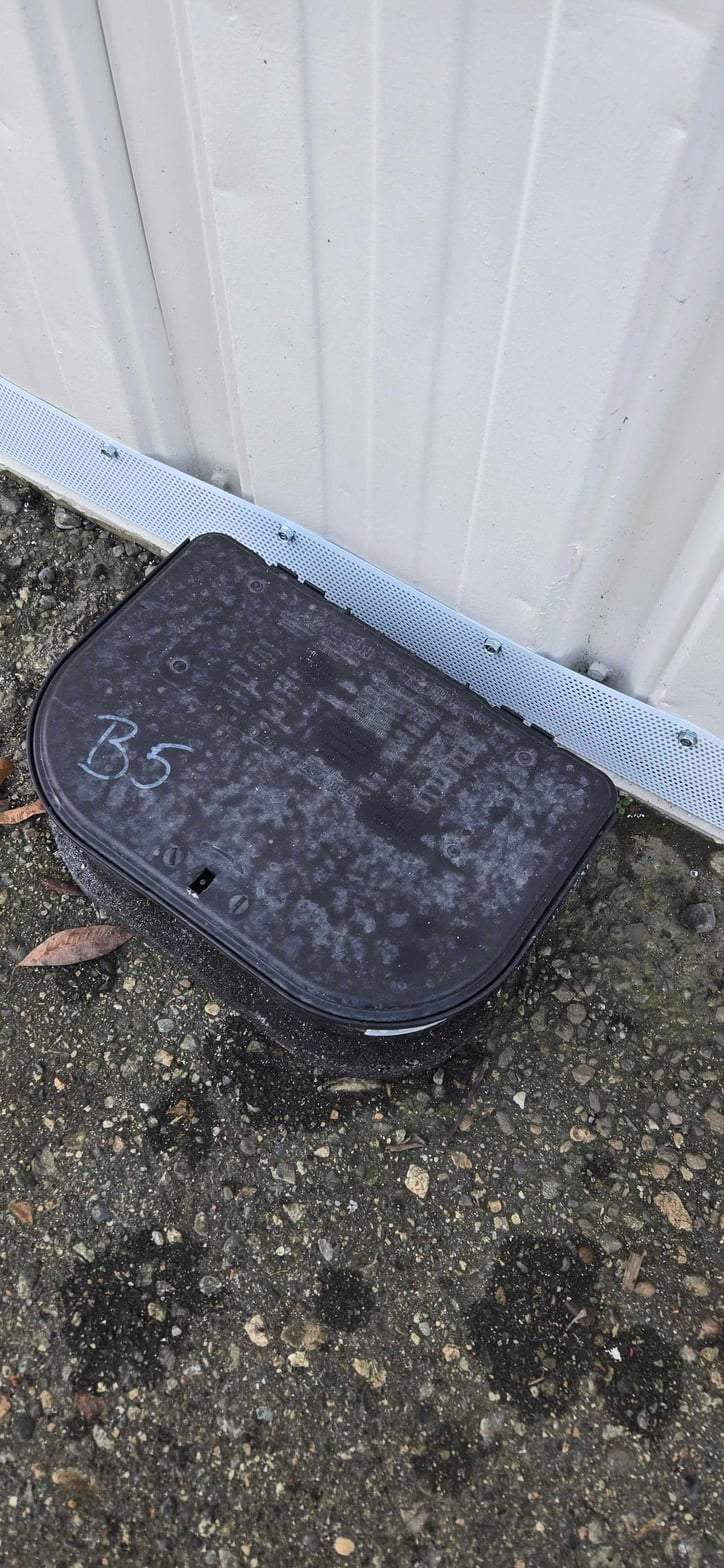
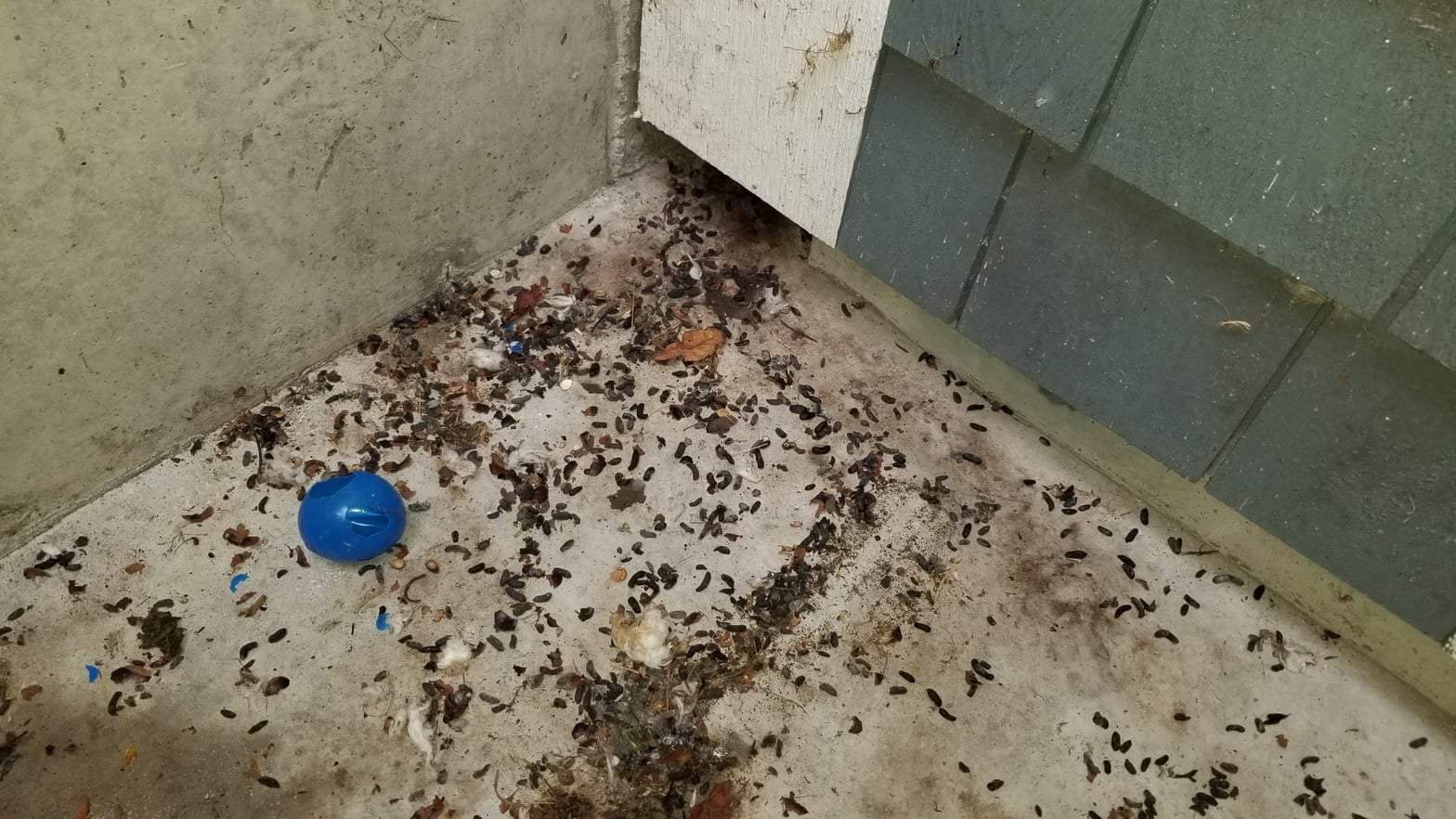
The job was mouse exclusion on a house in West Vancouver. We scoped the crawl space, siding, rear deck and doors as one system, because mice don't stop at the line between the foundation and the rest of the building.
A mouse can squeeze through a gap about the width of a pencil, so a house that looks tight from the street can still have plenty of small ways in. Common entry points sit where two materials or two trades meet: a utility line passing through into the crawl space, siding that stops short at a corner, a deck built against the wall, or a door that doesn't quite meet its threshold.
Gaps at the crawl space, siding, doors and deck
The work list was built around those junctions. Utility lines entering the crawl space had gaps around them, and the spray foam already packed around those lines had to come out so the openings could be properly pest-proofed. Mice can chew through foam, so it isn't a dependable barrier on its own. Outside, there were about 70 feet of siding gaps and corners to close, plus the joint where the siding meets the rear deck.
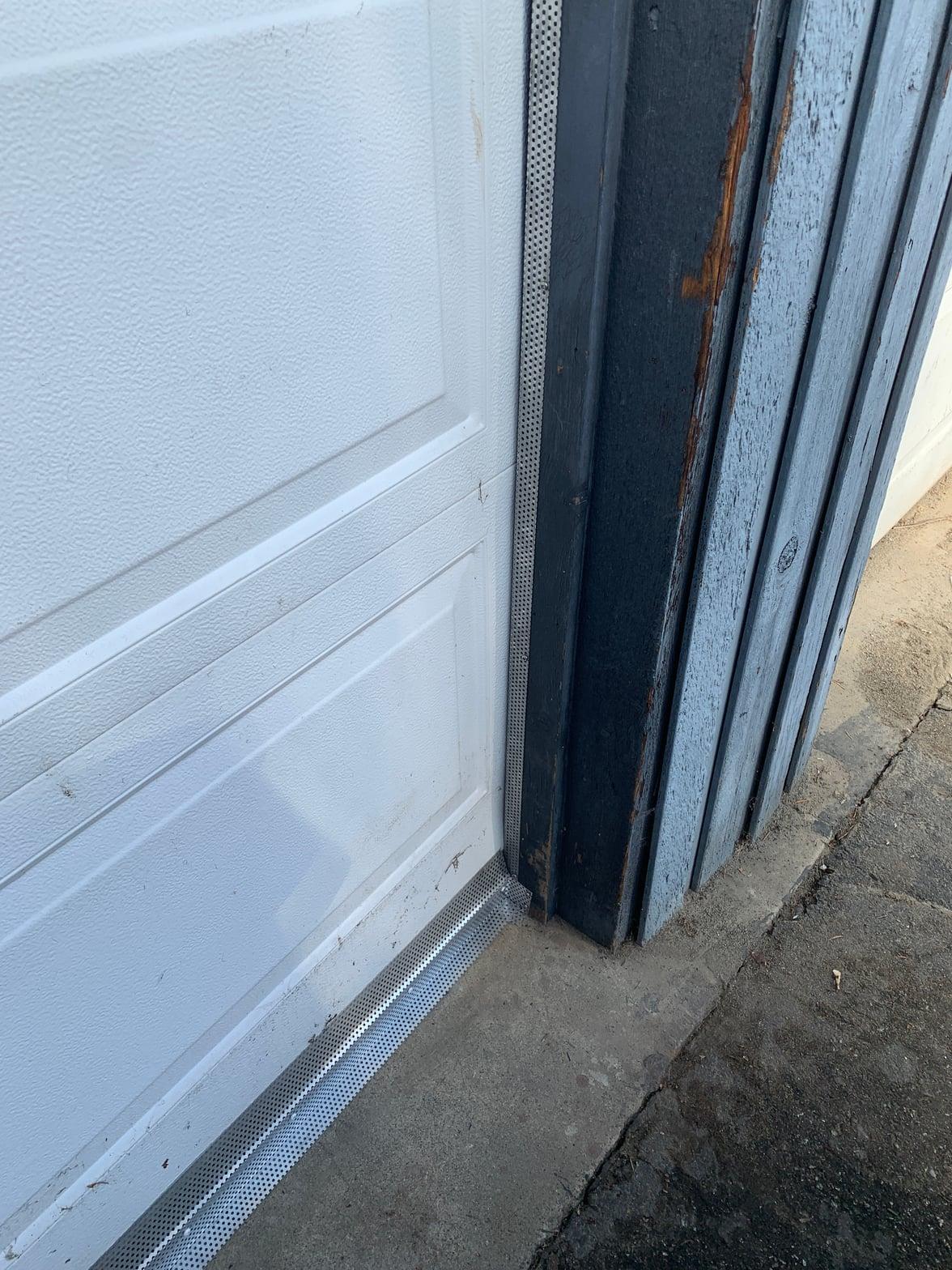
Three doors had gaps underneath, and the seams under a pop-out were exposed. The scope also covered any other entry points, cracks or chew holes the crew found during service.
One day of sealing and monitoring
Two technicians did the work in one day. In the crawl space they removed the spray foam around the utility lines, pest-proofed those openings and sealed the remaining utility line gaps. Outside, they closed the siding gaps and corners, sealed under the three doors and sealed the exposed seams under the pop-out.
Around the rear deck they trenched and meshed the ground to close the gaps there. Mesh set into the ground stops mice from digging in under an edge. They also sealed the joint where the siding meets the deck, so the wall and the deck no longer offer separate routes in.
Eight stations were placed inside and eight outside, so any new activity has somewhere to show up. The job also included a mouse one-way door and a follow-up visit for it. A one-way door lets any mouse still inside leave but not get back in, which is why it belongs at the end of the sealing, once every other route is closed.
The Outcome
We were hired to close the ways mice could get into this house and to set up monitoring to check the result.
House sealed, monitoring in place
- The gaps around the crawl space utility lines, siding, doors, rear deck and pop-out are closed.
- The spray foam around the utility lines has been replaced with proper pest-proofing.
- The ground around the rear deck is trenched and meshed against digging.
- Monitoring stations inside and outside the house give the owner a clear way to see whether the sealing is holding.
- No rodent activity was reported at the time of service.
The approach was to treat the house as a whole: every junction that could pass a mouse was sealed with a material suited to that spot, rather than patching one gap at a time. For more on how we scope this kind of work, see our entry point exclusion and pest-proofing services, and our mouse control program.
Some photos on this page are representative photos from similar jobs our crews have done, not photos of this property.
Need Entry Point Exclusion?
Professional-grade sealing of gaps, vents, soffits, and utility penetrations across the entire structure.
View Entry Point Exclusion More entry point exclusion in West Vancouver