Mice getting into lodge chalets near Gold Bridge
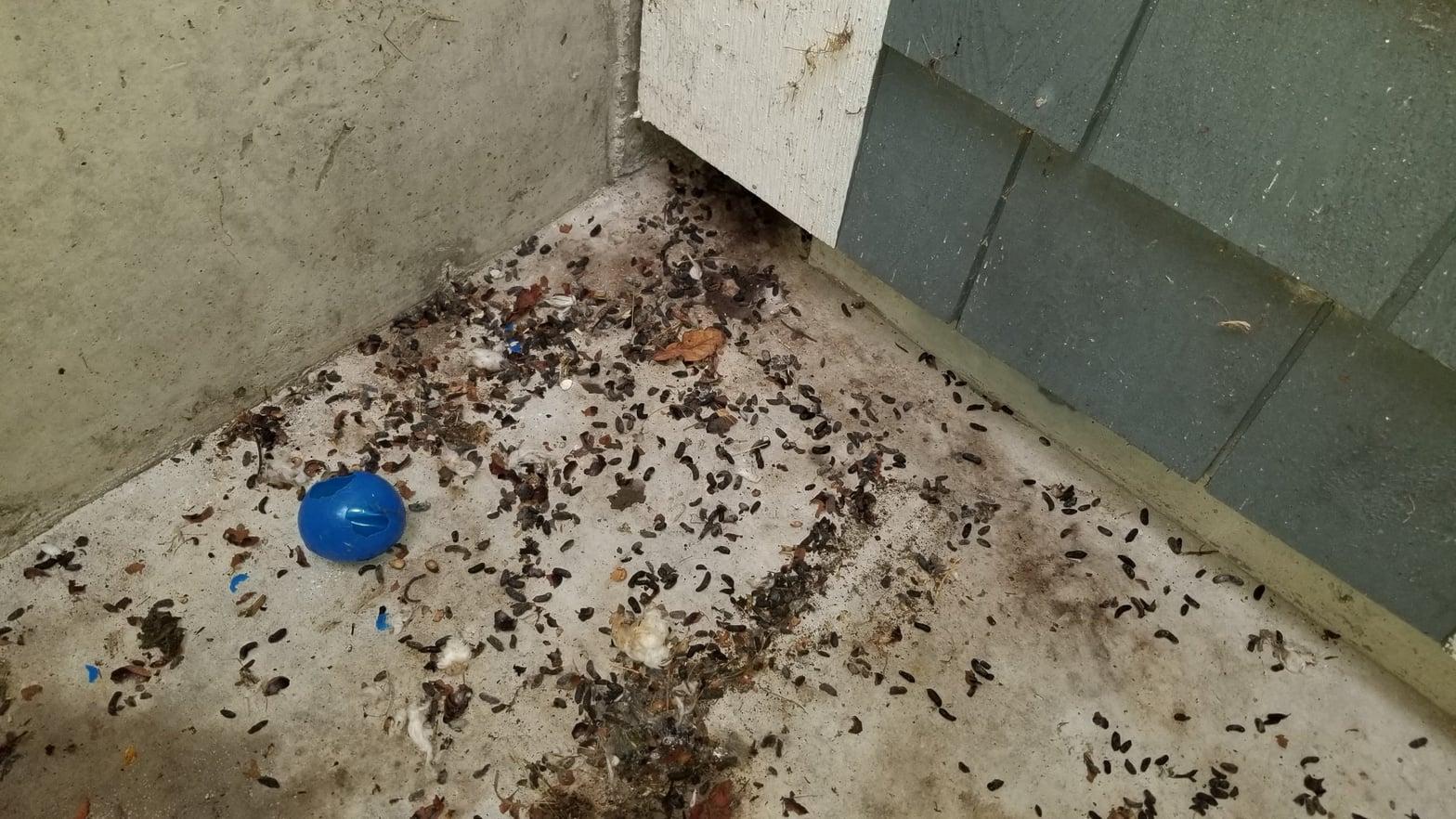
A lodge property near Gold Bridge had mouse activity in two of its chalets. The job was to assess both buildings, find how mice were getting in, close those routes, and leave stations in place that show whether mice are still active.
The work covered the two chalets only. The main lodge was outside the scope of this visit.
Chewed screens, skirting gaps and a failing deck
At the first chalet, the technicians found two kinds of entry. Mice had chewed holes in the balcony window screens, and there were gaps in the plywood skirting around the base of the building. Skirting gaps are easy to miss because they sit low and look like ordinary seams, but a mouse can squeeze through an opening not much wider than a pencil.
The second chalet had a structural problem. Its rear deck was deteriorating, with the framing going soft and drooping, and it was pulling and pushing at the pest-proofing mesh installed underneath. The deck was expected to get worse by spring and could rip the mesh when walked on. Mesh only works while the structure around it holds, so the deck was logged as part of the job, not a side note.
Sealing both chalets and setting mouse stations
The service started with an assessment to confirm what each chalet needed, with both buildings addressed under one plan. If the work ran past four days on site, the top-priority structures would be finished first and anything left would be reported for a separate visit. Two technicians handled the job, with quarter-inch mesh, excluder stuffing and concrete as the specialty materials.
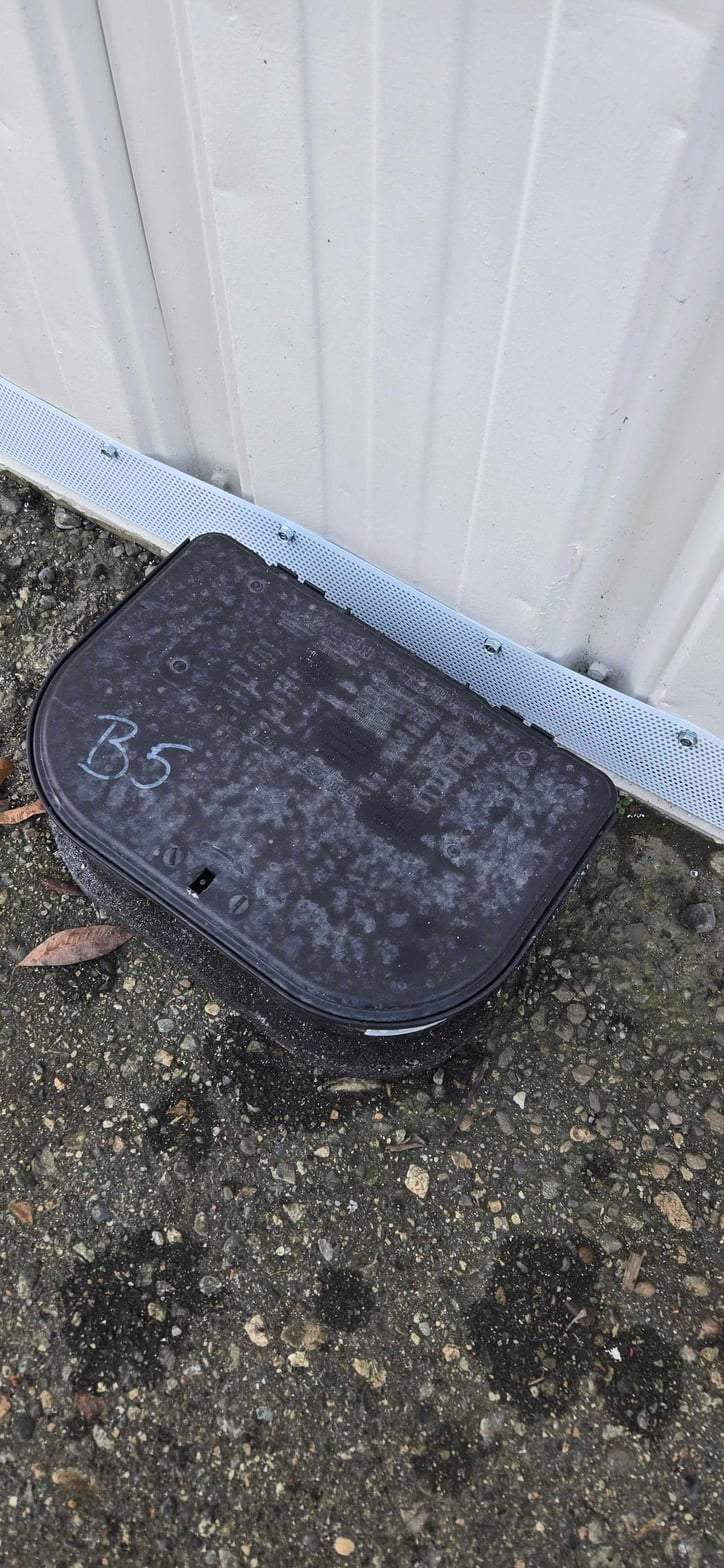
Each material suits a different kind of opening. Excluder stuffing packs gaps that a mouse would otherwise chew through, and quarter-inch mesh closes openings while still letting air move. Alongside the sealing, the crew installed tamper-resistant mouse stations, which stay with the property and show whether mice are still moving through the buildings. The quote set the final station count to be confirmed on site so coverage matched the buildings.
The visits ran through late October. The service report that followed recorded the remaining structural items with recommendations for the coming season, and also logged items at the main lodge for a separate visit.
The Outcome
We were hired to stop mice getting into two chalets at the lodge and to put stations in place to show whether they were still active.
Both chalets sealed as scoped
- The scoped exclusion service at both chalets is complete.
- Tamper-resistant mouse stations stay in place and now belong to the property, so staff can see whether mice return.
- The chewed screens at the first chalet have a clear fix on file: steel mesh window inserts or black steel mesh, installed before warm weather when windows are left open for days at a time.
- The deck at the second chalet is flagged for a rebuild before spring, with measurements already taken on site, so the underside stays sealed.
What decides how well the sealing holds through the next warm season comes down to three things: the window inserts, keeping food out of the chalets, especially when units sit unoccupied, and the deck. Each is a place where a tight building can open up again, so each is written into the report as a next step.
On a property like this, exclusion work and structural repairs have to be planned together. See our entry point exclusion service and our mouse control program for how we approach jobs like this one.
Some photos on this page are representative photos from similar jobs our crews have done, not photos of this property.
Need Entry Point Exclusion?
Professional-grade sealing of gaps, vents, soffits, and utility penetrations across the entire structure.
View Entry Point Exclusion