Mice at a 36-unit strata, and vents that had already let birds in
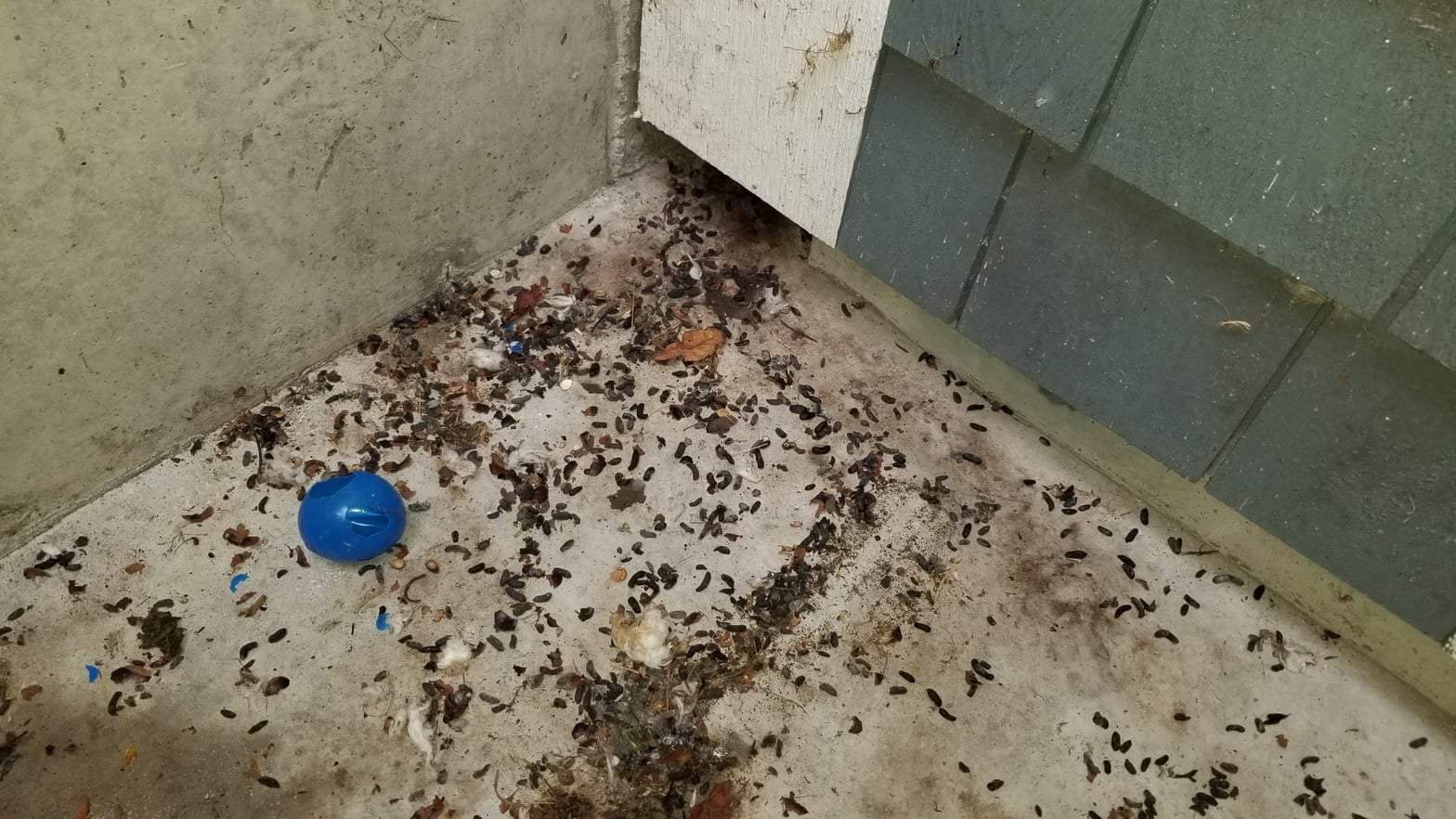
A 36-unit strata building in Surrey was dealing with mouse activity. Its vents already had a history: birds had been getting in through them before. We started with an onsite assessment of the building's structural entry points, the pest-proofing it needed, and how trapping and population management would fit around that work.
Before approving anything, the strata wanted to understand the method. Their sharpest question was about one-way doors: could a mouse end up trapped inside a unit wall? It's a fair concern. Mice nesting outdoors come inside for food and shelter, and a one-way door can exclude many of them. A mouse living inside a wall may or may not use the door at all. So the plan had to close the openings the mice could use, not just add devices.
Screens too coarse to stop a mouse
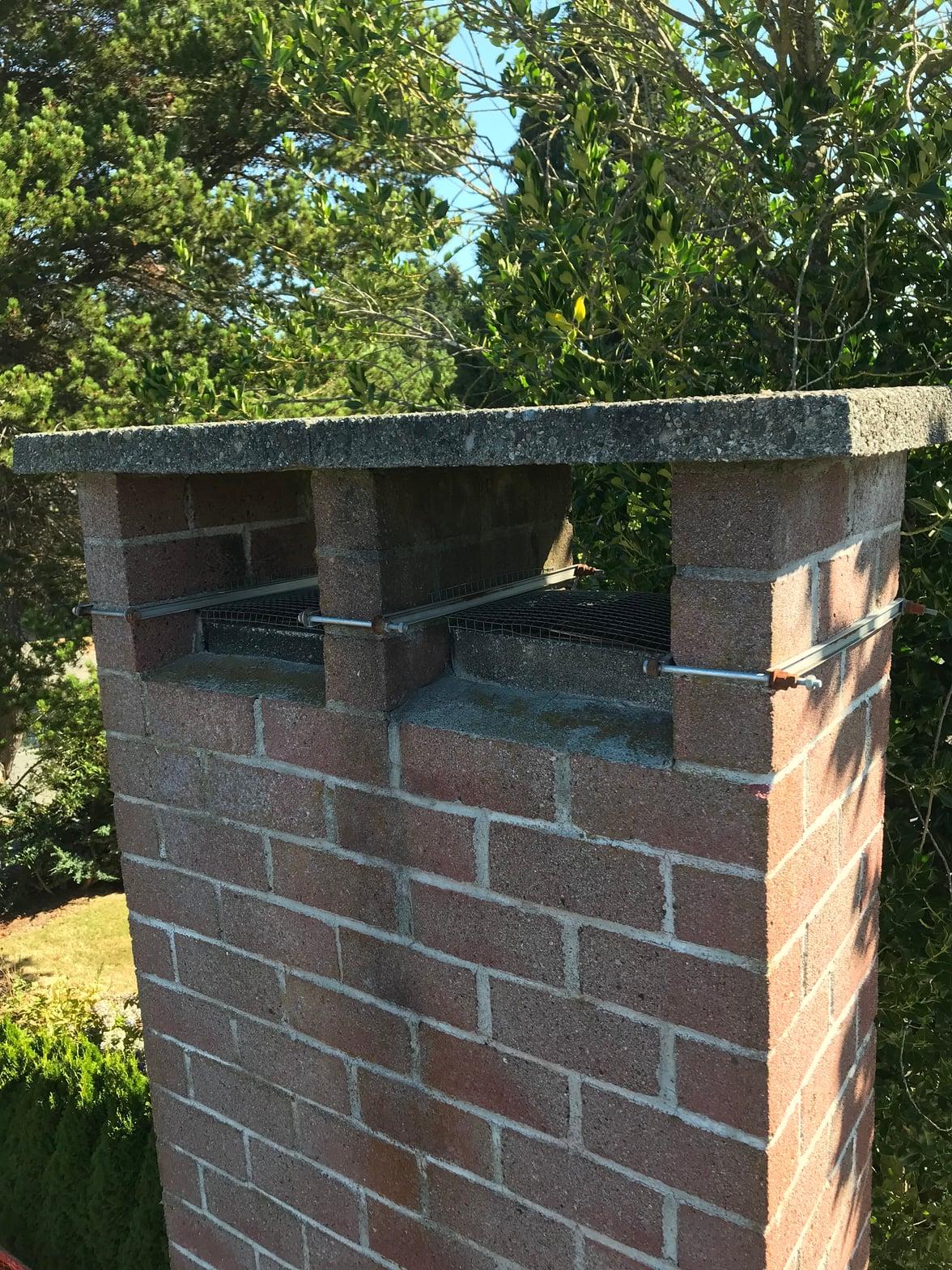
The vents already had screens, but they were 1-inch mesh. A mouse fits through a gap that size easily, so the screens weren't doing the job they were there for. Replacing them with 1/4-inch mesh was the most direct fix.
The strata also asked how the new screens would be attached. We secure screens with screws and washers. How a screen is fixed matters as much as its mesh size: a screen that shifts or pulls loose gives a mouse back the opening it had before. We also covered how the building's existing dryer vent covers differed from rodent-proof covers, so the strata could weigh that option at its meeting.
When the strata asked about starting with one-way doors, we advised that the method wouldn't be effective on this building because of its siding. The work centred on the vents instead.
Fixed mesh on the vents and a weekly program behind it
The dryer vents were cleaned and checked to make sure they closed properly. The other vents were fitted with 1/4-inch mesh to keep rodents and wildlife out.
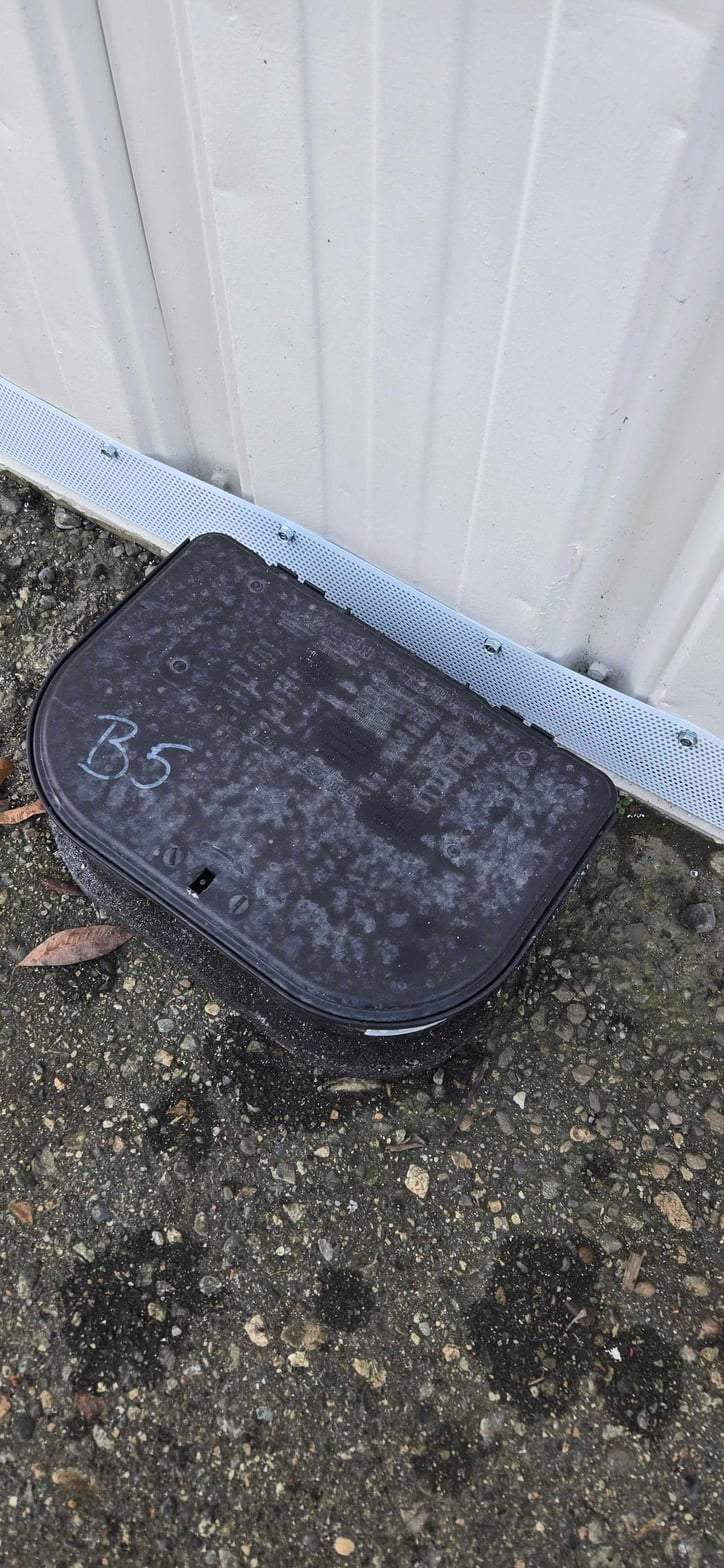
A weekly rodent management program ran from mid-April to the end of July: 15 visits in all. We set up 20 exterior rodent stations around the building, and traps were placed in the roof on the third level, the stairwell and the ladder access.
The Outcome
The strata hired us to deal with mice getting into the building, starting with vents whose screens couldn't keep them out. The vent work and the weekly program are complete.
Vents closed to mice, program complete
- The vents now have 1/4-inch mesh in place of the 1-inch screens that mice could pass through.
- The new screening is fixed with screws and washers, so it stays put instead of working loose.
- The dryer vents are clean and close properly.
- The weekly rodent program ran its full course from mid-April through July, and the job was closed in early August.
On a strata building, the screening is the part that keeps working between visits. Vents are fixed openings, so once they carry mesh a mouse can't pass and that mesh is secured, those vents stop being a way in.
If your building has a similar vent problem, our entry-point exclusion work starts with the openings themselves, and our rodent control program follows up visit by visit. Our house mouse page explains how mice move through buildings and why small openings matter.
Some photos on this page are representative photos from similar jobs our crews have done, not photos of this property.
Need Entry Point Exclusion?
Professional-grade sealing of gaps, vents, soffits, and utility penetrations across the entire structure.
View Entry Point Exclusion More entry point exclusion in Surrey