Rats working a Coquitlam yard with plenty to offer them
This home in Coquitlam had a backyard that suited rats well. There was a bird feeder by the back stairs, a patio deck, rock beds and garden beds, a shed and compost barrel, and apple trees dropping fruit across the lawn.
The job was set up as exterior bi-weekly rat trapping and monitoring. To start, three rat stations went in by the bird feeder and back stairs, and one went by the patio deck. These are the spots where spilled seed and cover from the deck give rats a reason to stay.
Burrows, new trails and raccoons moving the boxes
Over many visits, a few patterns showed up. Burrowing kept turning up in the southwest garden bed and the rock bed, and at one point the homeowner noticed shallow digging near the wire mesh in the northeast corner. When a tech dug that tunnelling up by hand, nothing was there. That is a useful reminder that not every disturbance in a garden bed is rat activity, and it's worth confirming before adding treatment.
When the team walked the site with the homeowner, they found rat trails that were not covered by the existing stations. Later, another travel route turned up along the rock bed. Raccoons also moved several trap boxes around, which can pull a station off the path rats actually use.
The later visits added more context:
- A burrow under the compost barrel, with no fresh excavation or disturbed soil, so it did not appear to be active.
- A lot of fallen apples across the yard, which is an easy food source for rats.
- Tree branches at the rear of the house touching the roof, which can give rodents and other wildlife a way up.
- A bumblebee nest above a window by a utility pipe, identified as Bombus vosnesenskii.
Rotating bait and following the rats' routes
Rats are neophobic, meaning they are wary of new objects in their territory. A freshly placed station can sit untouched for a while before they accept it. Because of that, a lot of this program was about patience and adjustment rather than adding more equipment.
Bait was changed to match the season. Once the weather turned cold, the stations went from a sweet lure to a liver-based, high-protein paste, since rats shift toward protein when it gets cold. During the wet stretch, the techs used a high-aroma bacon-grease formulation that still draws rats in the rain. In late winter, they switched to trust-baiting, where stations are baited but left unset so rats get comfortable feeding at them before trapping resumes. In spring, peanut butter took over. One summer visit showed full bait consumption with low rodent activity, and the tech attributed it to ants rather than rats. Telling those apart keeps the program from overreacting.
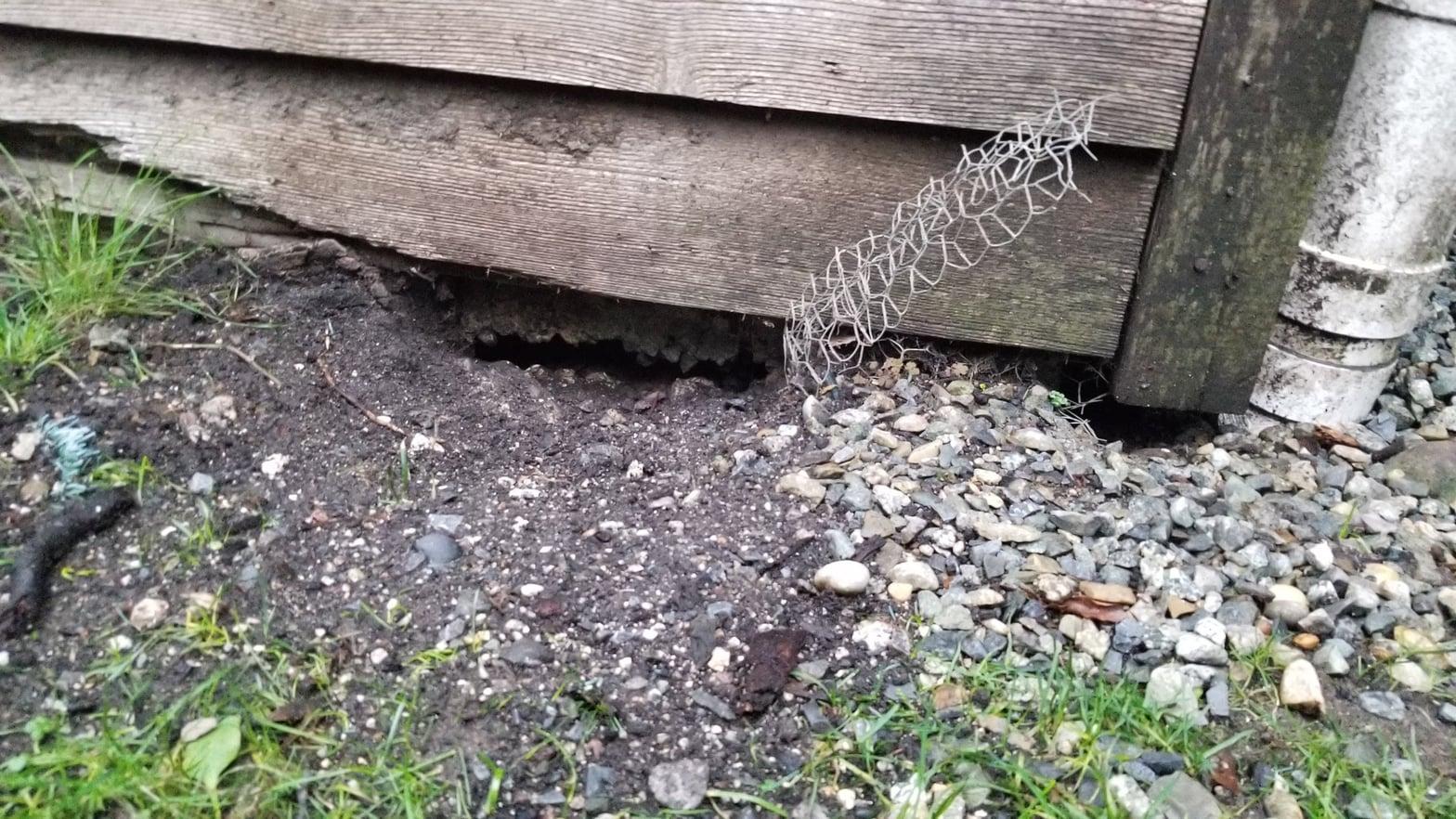
Stations were placed and moved to stay in front of the activity. Exterior bait stations went into the newly found trails, a monitoring station was moved to cut off the rock bed route, and boxes that raccoons had shifted were reset. A burrow treatment was offered for the garden bed burrows, and the homeowner chose to stay with monitoring. On later checks, the previously sealed burrows were holding and the chicken wire was intact with no breaches.
The bumblebee nest was handled differently. Bumblebees are pollinators, so the recommendation was to have a qualified beekeeper relocate the nest and then seal the gap around the utility pipe so nothing else moves in.
The Outcome
We were hired to run bi-weekly exterior rat trapping and monitoring at this Coquitlam home and keep the rat activity under control. The program did that from start to close.
Rat activity held low, yard under watch
- Rodent pressure at the property was assessed as low to stable through the later service reports.
- Sealed burrows held, and the chicken wire in the beds stayed intact with no breaches found.
- Newly found rat trails were covered with exterior bait stations, and a monitoring station was moved onto the rock bed route.
- The homeowners know what keeps pressure down from here: clearing fallen apples, trimming the branches off the roof, and watching the compost barrel burrow, which can be filled with pea gravel if it reopens.
A yard like this will always attract some rats. There is food, cover and soft soil, and neighbouring properties feed into it. Ongoing rat control that changes with the season, together with attractant notes in the service reports, is what kept the activity low.
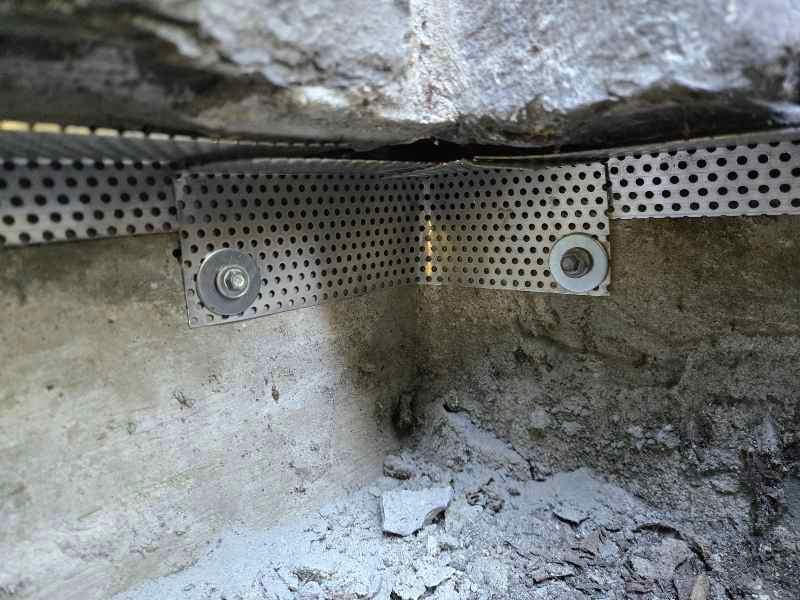
Where rats are reaching the house itself, entry-point exclusion and broader pest-proofing cover the structure while the monitoring program covers the yard.
Some photos on this page are representative photos from similar jobs our crews have done, not photos of this property.
Need Rat Control?
Inspection-first rat control: we find how they're getting in, seal those access points, reduce activity, and follow up so results last.
View Rat Control More rat control in Coquitlam